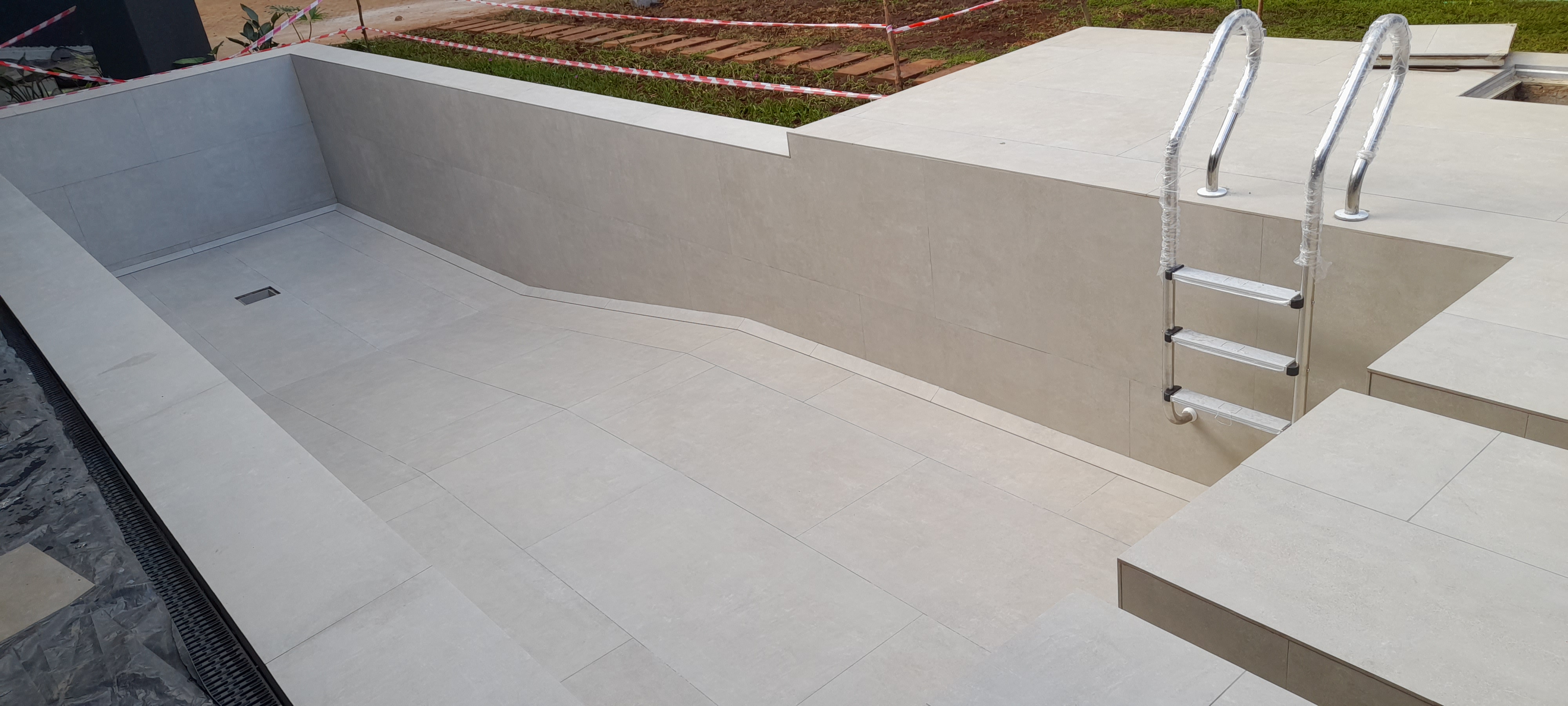
Installing a swimming pool is one of the most exciting home improvements you can make, transforming your Kenyan home into a private oasis. Whether you're in Nairobi's leafy suburbs, along the Coast, or in upcountry areas, a pool offers year-round enjoyment in our favorable climate. However, it's also one of the most significant investments you'll undertake. Here's everything you need to know before you start digging.
Understanding the True Cost in Kenya
The investment for a swimming pool in Kenya varies significantly based on location, materials, and contractor experience. A typical in-ground pool ranges from KES 1.5 million to KES 8 million depending on size, materials, and features, while above-ground pools start around KES 150,000 to KES 800,000. However, the total investment extends far beyond initial construction.
Installation costs include excavation, plumbing, electrical work, decking, fencing, and landscaping. Many homeowners are surprised to discover that the "extra" features they assume are included—like heating systems, underwater lighting, or automatic covers—can add KES 300,000 to KES 1.5 million or more to the final bill.
Ongoing expenses deserve careful consideration. Expect to spend KES 100,000 to KES 250,000 annually on chemicals (chlorine, pH adjusters, algaecides), electricity for pumps and filtration systems, water to compensate for evaporation (particularly significant during Nairobi's dry seasons), routine maintenance, and repairs. If you heat your pool, add another KES 50,000 to KES 150,000 annually depending on your heating method and frequency of use.
Hidden costs often catch new pool owners off-guard. County government approvals and National Construction Authority (NCA) requirements may apply depending on your project scope. Your property rates may increase as your pool adds to your property's value. Water connection fees and potential borehole drilling or water storage tank installation add to costs—critical considerations given water availability challenges in many Kenyan areas. If you're in a gated community or estate, you'll need approval from your residents' association, and some mandate specific designs or safety features.
Choosing the Right Type of Pool for Kenyan Conditions
The type of pool you select impacts everything from installation timeline to long-term maintenance and how well it withstands Kenya's climate variations.
Concrete (gunite or shotcrete) pools offer maximum design flexibility and are the most common choice for Kenyan homes. You can create any shape, depth, or feature you imagine—infinity edges overlooking the Ngong Hills, beach entries for children, integrated jacuzzis, or custom mosaic tile work. These pools last 30-50+ years with proper care, making them excellent long-term investments. However, they're the most expensive option, taking 2-4 months to complete with experienced Kenyan contractors, and require replastering every 10-15 years at a cost of KES 400,000 to KES 1.2 million. The porous surface demands more frequent brushing and higher chemical use to prevent algae, particularly important in Kenya's warm climate where algae thrives.
Fiberglass pools are less common in Kenya but increasingly available through specialized importers. These arrive as pre-manufactured shells that are craned into your excavated hole. Installation takes just 1-3 weeks once the shell arrives (though importation can add 2-3 months to the timeline). The smooth, non-porous gel coat surface resists algae growth exceptionally well in our climate, reducing chemical needs significantly. The challenge is sourcing—most shells must be imported from South Africa, Europe, or Asia, which affects cost and delivery time. Transportation and import duties add substantial expense. You're also limited to existing molds, typically maxing out at around 5 meters wide and 12 meters long.
Vinyl liner pools are rare in Kenya, as the liners must be imported and local expertise is limited. The harsh UV exposure in much of Kenya, particularly at higher elevations like Nairobi (1,795m above sea level where UV is more intense), causes faster deterioration of vinyl materials. Most Kenyan pool contractors don't recommend this option for our climate.
Above-ground pools provide a budget-friendly option at KES 150,000 to KES 800,000. They install in days, require no excavation, and work well for those testing whether they'll use a pool regularly before committing to in-ground construction. Modern above-ground pools can look attractive with creative decking and landscaping. However, the intense Kenyan sun degrades materials faster than in cooler climates, shortening lifespan to 5-10 years. They're also less common in upscale Kenyan neighborhoods where in-ground pools are the standard.
Plunge pools and splash pools deserve special mention as they're increasingly popular in Nairobi where land is premium. These smaller pools (3x3 meters to 4x6 meters) cost KES 800,000 to KES 2.5 million but fit smaller gardens, use less water (crucial during drought periods), cost less to maintain, and still provide cooling relief from Nairobi's midday heat. They're perfect for cooling off rather than serious swimming.
Size, Shape, and Depth Decisions
In Kenya, where water conservation is increasingly important, pool size deserves extra consideration.
Water availability should guide your decision. During dry seasons or drought periods, filling a large pool can be challenging and expensive. Many Kenyan pool owners invest in water storage tanks (KES 80,000 to KES 300,000 for 10,000-30,000 liter tanks) to collect rainwater during the rainy seasons for pool top-ups. Some even drill boreholes specifically for pool water, though this adds KES 150,000 to KES 600,000+ to your project.
Consider your actual usage patterns. For families with children, a 6x10 meter pool with varying depths (1 meter shallow end to 1.8 meters deep end) provides ample space without excessive water volume. If lap swimming is your priority, an 8x16 meter rectangular pool works well. For entertaining and cooling off—the primary use for most Kenyan pool owners—a 5x8 meter pool suffices.
Depth considerations in the Kenyan context often differ from Western standards. Many Kenyan families prioritize shallow areas where children can play safely under supervision. A pool ranging from 1 meter to 1.5 meters deep serves most families well. If you want diving capability, you'll need 2.5 meters minimum depth in the diving area, but this dramatically increases water volume and costs. Most Kenyan pools feature maximum depths of 1.8 to 2 meters.
Your plot size dictates realistic options. In Nairobi's suburbs where plots are larger, you have more flexibility. In newer developments where plots are smaller (1/8 to 1/4 acre), a compact pool with efficient decking is more realistic. County regulations may require setbacks from boundaries—typically 1.5 to 3 meters—though enforcement varies. Check your specific county's building regulations.
Location and Site Preparation
Where you place your pool affects construction costs and enjoyment throughout the year.
Sun exposure in Kenya is generally excellent year-round, unlike temperate climates. However, positioning matters. Full sun exposure means your pool naturally maintains comfortable temperatures (25-28°C) for most of the year without heating, but evaporation increases significantly—you might lose 3-5cm of water weekly during dry season, more when there's wind. Strategic placement with afternoon shade from existing trees or structures can reduce evaporation while maintaining comfortable water temperature.
Proximity to trees creates maintenance challenges amplified by Kenya's climate. Nairobi's jacarandas drop purple blossoms that stain pool surfaces. Cypress and pine needles constantly fall. Fruit trees like mangoes and avocados drop debris. Indigenous trees often have extensive root systems that can damage pool structures. Certain trees attract birds whose droppings contaminate pool water. If possible, position your pool at least 5 meters from mature trees, with the pool upwind based on prevailing wind patterns (in Nairobi, easterly winds dominate during dry seasons).
Soil conditions vary dramatically across Kenya and affect construction significantly. Nairobi's murram and clay soil generally provides stable foundations, though the black cotton soil in some areas expands and contracts with moisture, requiring special engineering. Coast areas often have sandy soil that drains well but may need reinforcement. Some upcountry areas have rocky terrain that increases excavation costs dramatically. Professional soil testing (KES 30,000 to KES 80,000) prevents costly surprises during construction.
Drainage and grading are critical, especially considering Kenya's intense rainy seasons. Water must drain away from your pool during the long rains (March-May) and short rains (October-December) when downpours can be torrential. Poor drainage causes soil erosion, foundation instability, and muddy water entering your pool. Professional grading might add KES 80,000 to KES 300,000 to your project but prevents expensive future repairs.
Water table considerations affect pool construction in some areas. Parts of Nairobi, particularly lower-lying areas, have high water tables during rainy seasons. Coastal areas often have water tables close to the surface. High water tables can cause empty pools to "float" out of the ground, requiring structural modifications like deeper footings, thicker walls, and sometimes permanent hydrostatic relief valves. Discuss this with your contractor during site assessment.
Access for equipment can be challenging in Kenyan properties with perimeter walls, narrow gates, and established gardens. Excavators and concrete trucks need access to your backyard. Many Kenyan homes have only pedestrian gates or 3-meter-wide vehicle gates. You may need to temporarily remove wall sections (then rebuild them, adding KES 50,000 to KES 150,000), or pay premium rates for hand excavation and manual material transport if heavy equipment can't access your site.
Critical Safety and Legal Requirements
Safety is paramount, and Kenyan regulations, while sometimes inconsistently enforced, exist to protect families.
Fencing requirements vary by county but generally mandate barriers around pools, especially where children are present. While enforcement is inconsistent, comprehensive pool fencing (1.2 to 1.5 meters high with self-closing, self-latching gates) is standard in reputable developments and essential for insurance purposes. Budget KES 150,000 to KES 600,000+ for quality fencing depending on materials and perimeter size. Wrought iron, aluminum, and glass are popular options. Many Kenyan homeowners incorporate pool fencing into their overall compound wall design for aesthetics.
Safety covers and alarms provide additional protection. Pool covers (KES 80,000 to KES 400,000) also reduce evaporation significantly—critical during dry seasons—and keep debris out, reducing cleaning time. In Nairobi's dusty environment, particularly during dry windy periods, covers dramatically reduce dirt accumulation. Pool alarms (KES 15,000 to KES 80,000) detect surface disturbances and alert you to unexpected entries.
Approvals and inspections requirements vary by county. Nairobi County theoretically requires building plan approvals for swimming pools, though enforcement is inconsistent. Other counties have varying requirements. Check with your specific county's department of physical planning. If your project includes significant structural work or you're in a controlled development area, you may need National Construction Authority registration of your contractor. Budget KES 20,000 to KES 100,000 for approval processes, plans preparation by registered architects/engineers, and inspections.
Estate or compound regulations often impose stricter requirements than county regulations. Gated communities, estates, and homeowners associations frequently have architectural guidelines covering pool placement, fencing style, noise from pool pumps, and even pool parties. Get written approval before starting construction to avoid expensive modifications later.
Insurance considerations matter. Notify your home insurance provider about your pool. Premiums may increase by KES 3,000 to KES 10,000 monthly. Ensure your policy covers pool-related incidents including guest injuries. Many Kenyan insurance companies now offer specific pool coverage riders.
Equipment and Feature Selection
The mechanical systems keep your pool clean, safe, and comfortable in Kenya's conditions.
Filtration systems work harder in Kenya than in cooler climates due to constant warm temperatures promoting algae growth, dust during dry seasons, and the general tropical environment. Sand filters are most common in Kenya due to lower cost and local availability, but require backwashing that wastes water. Cartridge filters provide better filtration, use less water, and suit Kenya's water scarcity concerns, but replacement cartridges must often be imported. DE filters provide excellent clarity but require more expertise and maintenance products that aren't always readily available locally.
Pump selection dramatically affects electricity costs, a major concern given Kenya Power's rates. Single-speed pumps (KES 30,000 to KES 80,000) run constantly at full power, consuming 1.5-2 kW per hour. Variable-speed pumps (KES 120,000 to KES 250,000) adjust speed based on needs, cutting electricity consumption by 50-70%. Given that pumps should run 8-12 hours daily, a variable-speed pump saves KES 40,000 to KES 80,000 annually in electricity, paying for itself within 2-3 years. However, availability is limited and technical support for repairs can be challenging in Kenya.
Heating options are often unnecessary in Kenya's warm climate but can extend comfortable swimming into Nairobi's cooler months (June-August when morning temperatures drop to 10-15°C). Solar heating (KES 200,000 to KES 600,000) makes most sense given abundant sunshine and avoids ongoing fuel costs. Installation requires roof space with good sun exposure. Gas heaters exist but running costs are prohibitive given LPG prices. Electric heat pumps are rare due to high electricity costs and limited availability.
Lighting enhances evening enjoyment and security. LED pool lights (KES 15,000 to KES 50,000 each) last years, use minimal electricity (important given Kenya Power rates), and offer color-changing options. Most pools need 2-4 lights depending on size. Landscape lighting around your deck (KES 50,000 to KES 250,000) creates ambiance and improves security—important in Kenyan properties where outdoor lighting deters intruders.
Water features like waterfalls, fountains, and rock features add aesthetic appeal. Local artisans can create beautiful natural rock waterfalls using Kenyan stone (KES 100,000 to KES 800,000) that blend with landscaping. However, these features waste water through evaporation and splashing—reconsider if water conservation is a priority. They also require additional pumps and electricity.
Automatic pool cleaners (KES 80,000 to KES 400,000) reduce maintenance time significantly. Given that domestic workers familiar with pool maintenance aren't always available and quality varies, automatic cleaners provide consistency. However, repairs can be challenging as spare parts often require importation.
Water treatment alternatives deserve consideration. Traditional chlorine systems work well but require consistent chemical availability and monitoring. Salt chlorination systems (add KES 150,000 to KES 400,000 to installation) generate chlorine from salt, reducing ongoing chemical costs and the hassle of buying and storing chemicals. Salt is readily available in Kenya. However, these systems require technical expertise for maintenance and repairs can be complicated if specialized parts fail.
Water Source and Conservation Strategies
Water availability is Kenya's most critical pool consideration, especially as climate patterns become less predictable.
Municipal water dependency creates vulnerability. Nairobi and many Kenyan towns experience regular water rationing. Filling a 50,000-liter pool during a water shortage period is impractical and expensive. Many pool owners report needing 2-4 weeks to fill pools during rationing, using water deliveries at KES 4,000 to KES 8,000 per 10,000 liters.
Borehole investment makes sense for serious pool owners. A borehole (KES 150,000 to KES 600,000 depending on depth and water table) provides independence from municipal water and significantly reduces operating costs. However, water quality varies—some borehole water requires filtration before pool use, and mineral content may affect pool chemistry and equipment longevity. Test borehole water before assuming it's suitable for pool filling.
Rainwater harvesting should be integrated into your pool planning. A comprehensive system with gutters, storage tanks (10,000 to 30,000 liters costing KES 80,000 to KES 300,000), and filtration can supply most of your pool's top-up water during and after rainy seasons. This is both economically smart and environmentally responsible.
Pool covers aren't optional luxuries in Kenya—they're essential for water conservation. A quality cover (KES 80,000 to KES 400,000) reduces evaporation by 90-95%, saving thousands of liters monthly during dry seasons. This typically saves KES 15,000 to KES 40,000 annually in replacement water costs alone, plus the chemicals needed to treat that water. Covers also keep out Nairobi's dust, leaves, and debris, reducing cleaning time and chemical usage.
Smart design reduces water waste. Beach entries and elaborate water features increase evaporation. Compact, efficient pool designs with minimal surface area relative to volume conserve water. Consider a slightly deeper pool with less surface area rather than a sprawling shallow pool with maximum evaporation.
Maintenance Realities in the Kenyan Context
Pool maintenance in Kenya presents unique challenges compared to temperate climates.
Weekly maintenance requires 2-3 hours: skimming leaves and debris (more during windy dry seasons when dust is constant), brushing walls and floor to prevent algae (crucial in warm water), vacuuming, testing water chemistry (pH, chlorine, alkalinity), adding chemicals, cleaning skimmer baskets and pump strainer, and backwashing or cleaning filters. During Nairobi's dry dusty months, daily skimming may be necessary.
Chemical availability and quality varies. Reliable pool chemical suppliers exist in major cities, but quality can be inconsistent. Some imported chemicals lose potency in Kenya's heat if not stored properly. Buying from established suppliers (though slightly more expensive) ensures product quality. Budget KES 8,000 to KES 15,000 monthly for chemicals depending on pool size and usage.
Professional pool maintenance service providers are available like Pool and Spa EA, and it will cost around KES 8,000 to KES 20,000 monthly for weekly cleaning and chemical balancing. Quality varies dramatically—many operators lack proper training. Ask for references from established pool owners and verify the company has been operating for several years. Some companies offer full-service contracts (KES 15,000 to KES 35,000 monthly) including equipment monitoring, repairs, and emergency callouts.
DIY maintenance is common among Kenyan pool owners to reduce costs. However, incorrect chemical balancing damages expensive equipment and creates health hazards. Invest in quality test kits (KES 3,000 to KES 8,000) and educate yourself thoroughly. Several Nairobi pool shops offer training sessions for new pool owners.
Equipment repairs can be challenging. Specialized pool equipment technicians exist in major cities but are scarce upcountry. Spare parts often require importation, taking weeks or months. When selecting equipment, prioritize brands with established Kenyan distributors and spare parts availability. Cheaper imported equipment may save money initially but becomes expensive when repairs need parts shipped from China or Europe.
Seasonal considerations in Kenya differ from temperate climates. You don't winterize pools, but you do adjust for rainy and dry seasons. During heavy rains, pool water can overflow and washout chemicals, requiring more frequent testing and balancing. Dust during dry seasons increases filtration load. Some pool owners reduce pump running time during cooler months (June-August) when the pool is used less frequently, saving electricity.
Common Challenges Specific to Kenya
Understanding these challenges helps you plan and budget appropriately.
Power supply instability affects pool equipment. Voltage fluctuations and power outages can damage sensitive equipment like variable-speed pumps and automation systems. Many Kenyan pool owners invest in voltage stabilizers (KES 15,000 to KES 50,000) to protect equipment. If you have backup power (generator or solar), factor in running your pool pump during scheduled outages, or accept that filtration will be interrupted periodically.
Water quality variations affect pool chemistry. Municipal water chemistry changes seasonally and between areas. Borehole water often has high mineral content requiring adjustment. Test source water before initial fill and understand how it affects your pool's chemical balance.
UV intensity at Kenya's elevation and proximity to the equator degrades pool equipment, covers, and chemicals faster than in temperate climates. Pool covers, automatic cleaner parts, and vinyl components deteriorate faster. Budget for more frequent replacements. Chemical storage requires cool, shaded areas—chemicals stored in hot garden sheds lose effectiveness rapidly.
Dust and debris are constant challenges, particularly in Nairobi during dry windy periods. Daily skimming may be necessary. Pool covers help immensely but are often neglected by owners who find them inconvenient. The extra 60 seconds to deploy a cover saves hours of cleaning weekly.
Limited local expertise means you're more reliant on your initial contractor selection. Poorly constructed pools create ongoing problems that are expensive and difficult to fix. Invest time selecting a reputable, experienced contractor even if quotes are higher. The cheapest contractor often becomes the most expensive in the long run.
Counterfeit and substandard materials exist in Kenya's construction industry. Insist on viewing chemical containers with intact seals, check pump and filter brands against authorized dealers, and verify tiles are rated for pool use. Substandard materials fail quickly, requiring expensive replacement.
Impact on Property Value in Kenya
Pools affect property values differently across Kenya's diverse real estate markets.
In Nairobi's high-end suburbs, pools are expected in properties above KES 50 million. A well-maintained pool can add KES 2 million to KES 8 million to property value, though you rarely recoup full installation costs. The pool must be proportionate to the property—a small pool on a large property may actually decrease perceived value as buyers wonder why such a small pool was installed.
In middle-income areas, pools are less common and buyer reactions vary. Families with children may value pools highly, while other buyers see them as maintenance burdens. You might add KES 1 million to KES 3 million to property value, but could equally limit your buyer pool.
Upcountry and coastal properties have different dynamics. In coastal areas, pools are common and expected in upscale properties. Upcountry pools are less common and reactions vary widely.
Condition matters immensely. A sparkling, well-maintained pool with modern equipment appeals to buyers. A pool with cracked plaster, dated finishes, broken equipment, and green water can actually decrease property value by KES 500,000 to KES 2 million as buyers factor in renovation or removal costs.
Budget Breakdown: What to Expect
Here's a realistic budget breakdown for a standard 6x10 meter concrete pool in Nairobi:
Construction costs:
- Excavation and site preparation: KES 150,000 - 300,000
- Concrete structure and steel reinforcement: KES 800,000 - 1,500,000
- Plumbing and drainage: KES 120,000 - 250,000
- Electrical work and lighting: KES 100,000 - 200,000
- Tiling and finishing: KES 400,000 - 900,000
- Equipment (pump, filter, cleaner): KES 200,000 - 500,000
- Decking (natural stone or pavers): KES 300,000 - 800,000
- Fencing: KES 150,000 - 400,000
- Landscaping around pool: KES 100,000 - 400,000
Total construction: KES 2.3 million - 5.2 million
NOTE: This cost will vary as well depending on location environmental factors, legalities and logistics
First year additional costs:
- Water for initial fill: KES 20,000 - 40,000
- Chemicals and supplies: KES 100,000 - 150,000
- Electricity for pump: KES 60,000 - 100,000
- Maintenance equipment: KES 30,000 - 60,000
- Professional service (if hired): KES 96,000 - 240,000
Annual ongoing costs: KES 200,000 - 400,000
NOTE: This will vary depending on use and maintenance frequency
Making the Final Decision
Before committing to a pool in Kenya, honestly assess:
Water availability and reliability in your area. Can you realistically maintain water levels during dry seasons and rationing periods? Are you prepared to invest in boreholes or rainwater harvesting?
Your actual usage patterns. Kenya's climate allows year-round swimming, but will your family actually use it regularly? Many Kenyan pools see heavy use initially, then languish neglected as novelty fades and maintenance demands grow apparent.
Long-term financial commitment. Can you afford KES 200,000 to KES 400,000 annually for the pool's lifetime? Can you handle unexpected major repairs like pump replacement (KES 80,000 to KES 250,000) or replastering (KES 400,000 to KES 1.2 million)?
Maintenance capability. Are you prepared to spend 2-3 hours weekly maintaining the pool, or budget for professional service? Can you reliably source chemicals and manage water chemistry? Are you able to handle or afford repairs given limited local expertise?
Alternative options. Would joining a club with pool facilities (KES 5,000 to KES 30,000 monthly) provide swimming access without the headaches? Could you create different outdoor entertainment spaces—a covered terrace, outdoor kitchen, children's play area, gardens—that might bring more enjoyment for less investment?
Property plans. How long will you stay in this home? If you're likely to relocate within 5 years, you probably won't recoup your investment. Kenyan property sales often take 6-12 months or longer, and a pool could help or hinder sale depending on the buyer profile.
Moving Forward with Your Pool Project
If you've carefully considered these factors and want to proceed:
Research contractors thoroughly. Get recommendations from friends, neighbors, or estate residents with pools. Visit completed projects and speak with pool owners about their contractor experience. In Kenya's construction industry, personal recommendations from satisfied clients are invaluable.
Interview and verify licensed contractors. Verify they're registered businesses with Kenya Revenue Authority PIN numbers. Check whether they're registered with the National Construction Authority if your project requires it. Ask how long they've been building pools specifically (not just general construction) and request at least recent client references you can contact.
Get detailed written quotations itemizing every aspect: excavation, materials (specify brands and grades), equipment (brands and models), finishes, electrical and plumbing work, decking materials, fencing, approvals and permits if applicable, timeline with milestones, payment schedule, and warranty terms. The lowest quote isn't the best value—in Kenya's construction industry, extremely low quotes often signal substandard materials, inexperienced contractors, or hidden costs emerging mid-project.
Verify contractors carry insurance for workers and third-party liability. Request proof. Many Kenyan contractors don't carry adequate insurance, exposing you to liability if workers are injured on your property.
Read contracts thoroughly before signing. Ensure contracts specify exact materials brands, project timeline with completion date, payment tied to verified milestones (never pay more than 50% upfront), clear warranty terms for both construction and equipment, and written procedures for handling design changes or unforeseen site conditions.
Plan for contingencies. Set aside 15-20% beyond quoted prices for unexpected site conditions (rock requiring blasting, high water table, soil instability), design modifications you decide on mid-project, or cost increases if materials become scarce. Kenya's construction industry is unpredictable—having contingency funds prevents project stoppages.
Be present during construction. Visit daily if possible, especially during critical phases like steel placement, plumbing installation, and waterproofing. Take photos documenting each stage. In Kenya, site supervision is essential—contractors may make substitutions, workers may cut corners, or miscommunications may occur. Your active involvement ensures your pool is built correctly.
A swimming pool in Kenya offers tremendous potential for enjoyment in our wonderful climate. Unlike colder countries where pools sit unused for months, yours can provide year-round recreation, exercise, and gathering space for family and friends. With thorough planning, realistic budgeting, water conservation strategies, and clear understanding of maintenance demands, you'll create an asset that enhances your property and lifestyle for decades.
Take your time, research carefully, choose your contractor wisely, and don't let anyone pressure you into hasty decisions on such a significant investment.
When you're finally swimming in your own backyard oasis under Nairobi's blue skies, you'll be glad you planned thoroughly.