
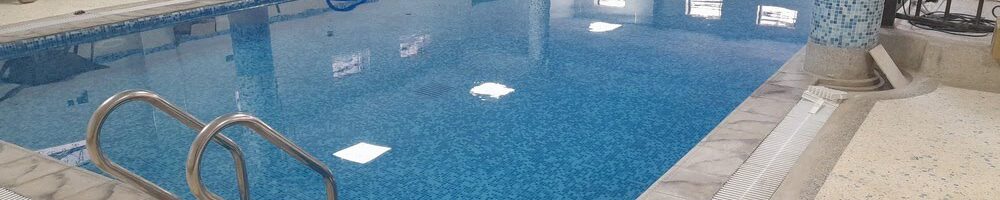
There's nothing quite like diving into your own sparkling pool on a hot day. But that inviting, crystal-clear water doesn't happen by accident—it's the result of consistent maintenance and care. Whether you're a new pool owner or looking to refine your routine, understanding the fundamentals of pool maintenance will save you time, money, and headaches.
The Foundation: Weekly Maintenance Tasks
The key to effortless pool care is consistency. Set aside about 30 minutes each week for these essential tasks, and you'll prevent the bigger problems that require hours of work to fix.
Skimming and brushing
This should become second nature. Skim leaves, insects, and debris from the surface daily if possible, or at least several times per week. Brush the walls and floor weekly to prevent algae buildup and keep surfaces smooth. Pay special attention to corners, steps, and behind ladders where circulation is weaker.
Testing your water chemistry
This is non-negotiable. Use test strips or a liquid test kit to check pH, chlorine levels, alkalinity, and calcium hardness at least twice weekly. Your pH should stay between 7.2 and 7.6, while chlorine levels should hover around 1-3 ppm (parts per million). Balanced water not only feels better on your skin and eyes but also prevents equipment damage and allows your sanitizer to work effectively.
Cleaning the skimmer basket and pump strainer
This prevents clogs and keeps your filtration system running efficiently. A clogged basket forces your pump to work harder, wasting energy and potentially shortening its lifespan.
Monthly Deep-Dive Maintenance
Once a month, tackle these more involved tasks:
Shocking your pool
Adding a large dose of chlorine or non-chlorine shock—oxidizes contaminants that regular chlorination misses. This is especially important after heavy use, rainstorms, or if you notice cloudy water or a strong chlorine smell (which paradoxically indicates you need more chlorine, not less).
Vacuuming
This removes debris that's settled to the bottom. Whether you use a manual vacuum, automatic cleaner, or robotic vacuum, getting this grit out of your pool prevents staining and reduces the load on your filter.
Inspecting and cleaning your filter
This keeps water flowing properly. Depending on your filter type—sand, cartridge, or DE (diatomaceous earth)—you'll need to backwash, rinse cartridges, or recharge with fresh DE powder. A dirty filter is the most common cause of cloudy water and poor circulation.
Seasonal Considerations
Your maintenance routine should shift with the seasons. During peak swimming season in summer, you'll likely need to test water more frequently and add chemicals more often due to increased use, higher temperatures, and more intense UV exposure breaking down chlorine faster.
As fall approaches, keep up with leaf removal religiously. Decomposing organic matter consumes chlorine and can turn your water green surprisingly quickly. In winter, whether you close your pool or maintain it year-round, adjust your chemical levels and run your equipment less frequently to account for cooler temperatures and reduced evaporation.
Common Mistakes to Avoid
Many pool owners make the mistake of waiting until water looks bad before taking action. By the time cloudiness or discoloration appears, you've got a much bigger problem to solve. Stay ahead of issues with consistent testing and balancing.
Another frequent error is adding too many chemicals too quickly. Make adjustments gradually and give them time to circulate and take effect before adding more. And never mix chemicals directly together before adding them to the pool—this can create dangerous reactions.
When to Call a Professional
While regular maintenance is straightforward, some situations warrant professional help. Persistent green or black algae, equipment failures, mysterious water balance issues, or preparation for long-term closure are all good reasons to consult a pool service technician. An annual professional inspection can also catch potential problems before they become expensive repairs.
The Reward of Consistency
Pool maintenance might seem overwhelming at first, but it quickly becomes routine. Fifteen minutes of daily attention and a weekly maintenance session will keep your pool in excellent condition with minimal effort. The result? A beautiful, safe, inviting pool that's always ready when you are—and that's worth every minute you invest.